
Is It Worth Repairing Your Water Heater?
Quick answer
Usually, yes, if the problem is something attached to the tank: a shut-off valve, a temperature and pressure relief valve, a leaking supply line, or water pressure that's too high. Those are part swaps, and the heater keeps going. If water is coming out of the tank itself, or the unit is past the 10 to 15 years the Department of Energy gives a standard tank, replacing it is usually the better call.
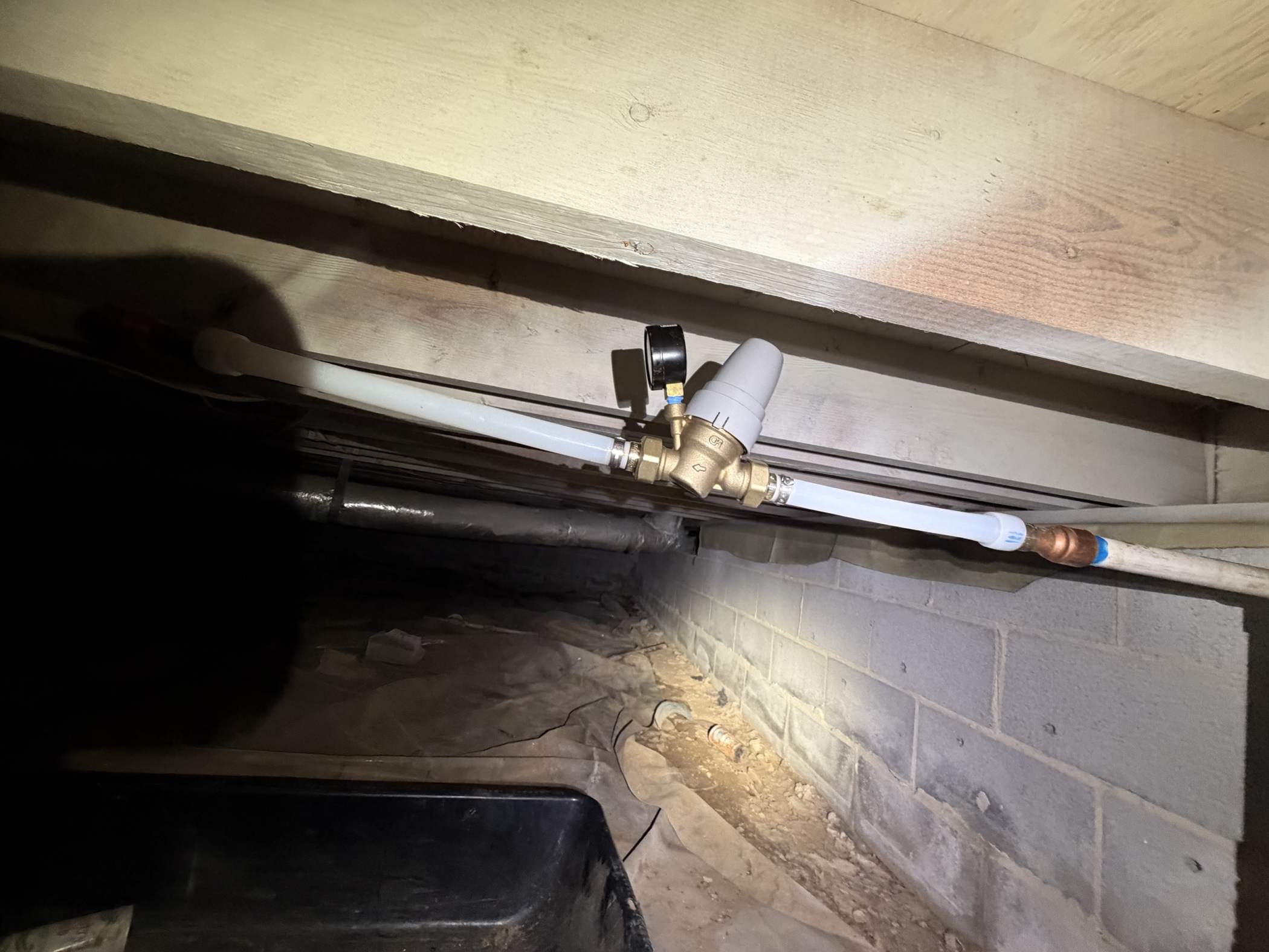
A lot of folks call me already braced to buy a new water heater. My wife Mekaylla says it better than I do: people are fearful we're going to charge them an arm and a leg and leave their home worse than we found it. So the first thing I want to do on a water heater call is find out where the problem is actually coming from, and show you.
Sometimes the tank really is done. A lot of the time it's a valve or a fitting. The man who taught me plumbing has been doing it for 50 years, and one of the first things he drilled into me was to diagnose it right before you sell anybody anything. Here's how I sort out which one you've got.
When a repair is the right call
Here's a real one. A homeowner in Cleveland had water coming from around their water heater. The tank was fine. The shut-off valve feeding it was the leak. We replaced the valve, and while we were there we installed a pressure regulator so the new valve wasn't getting hammered by high pressure. The heater kept running and nobody had to buy a new one.
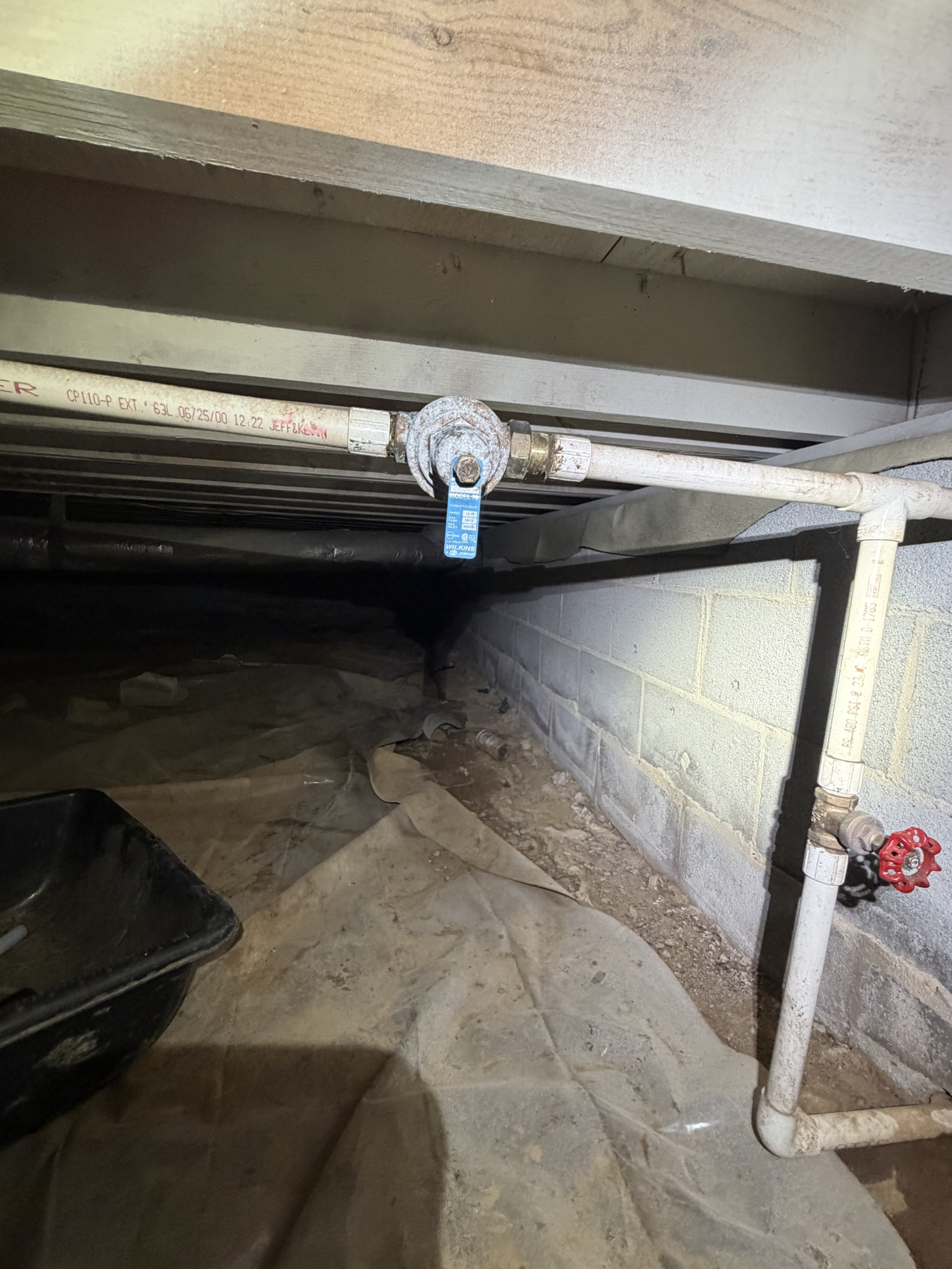
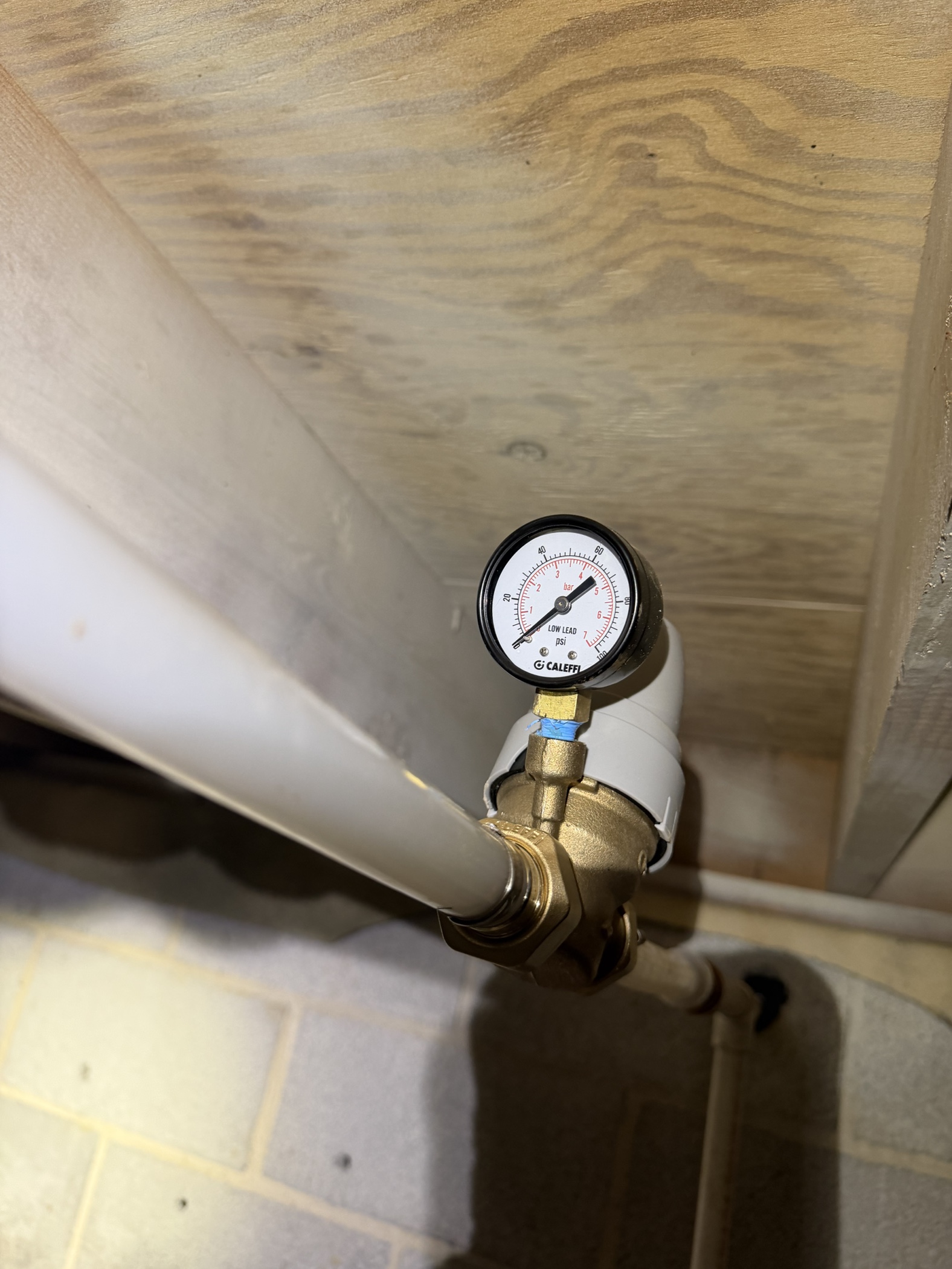
That's the pattern on a lot of our repair calls. Alice, one of our customers, put it simply in her review: "He repaired copper lines that was leaking on my water heater." She knew what it would cost before we started, and the heater stayed in service.
We did a similar job for Teresa down in Ringgold, GA. Her heater needed a few faulty parts replaced. Her words: "Explained everything we needed and scheduled to do repairs quickly."
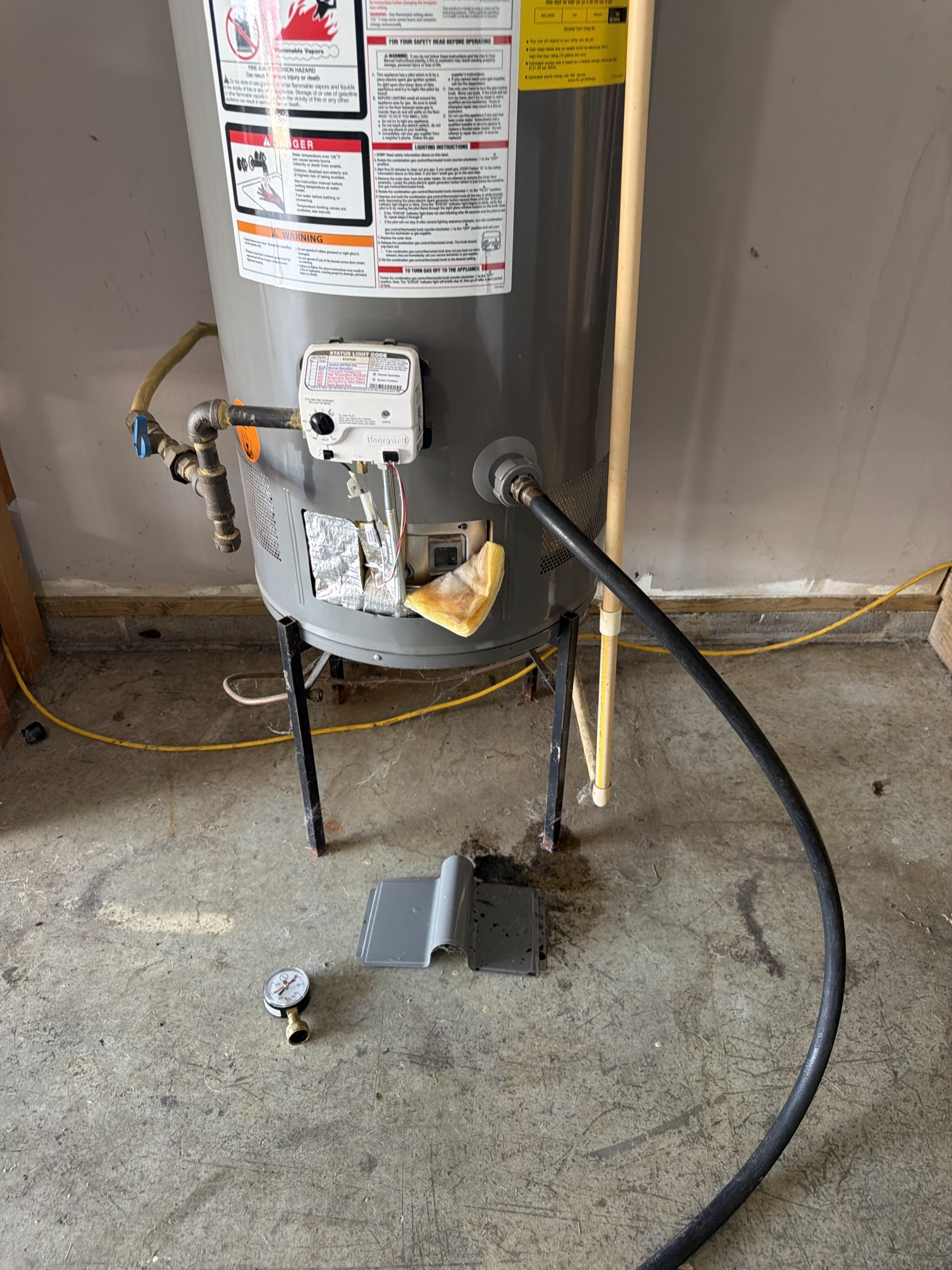
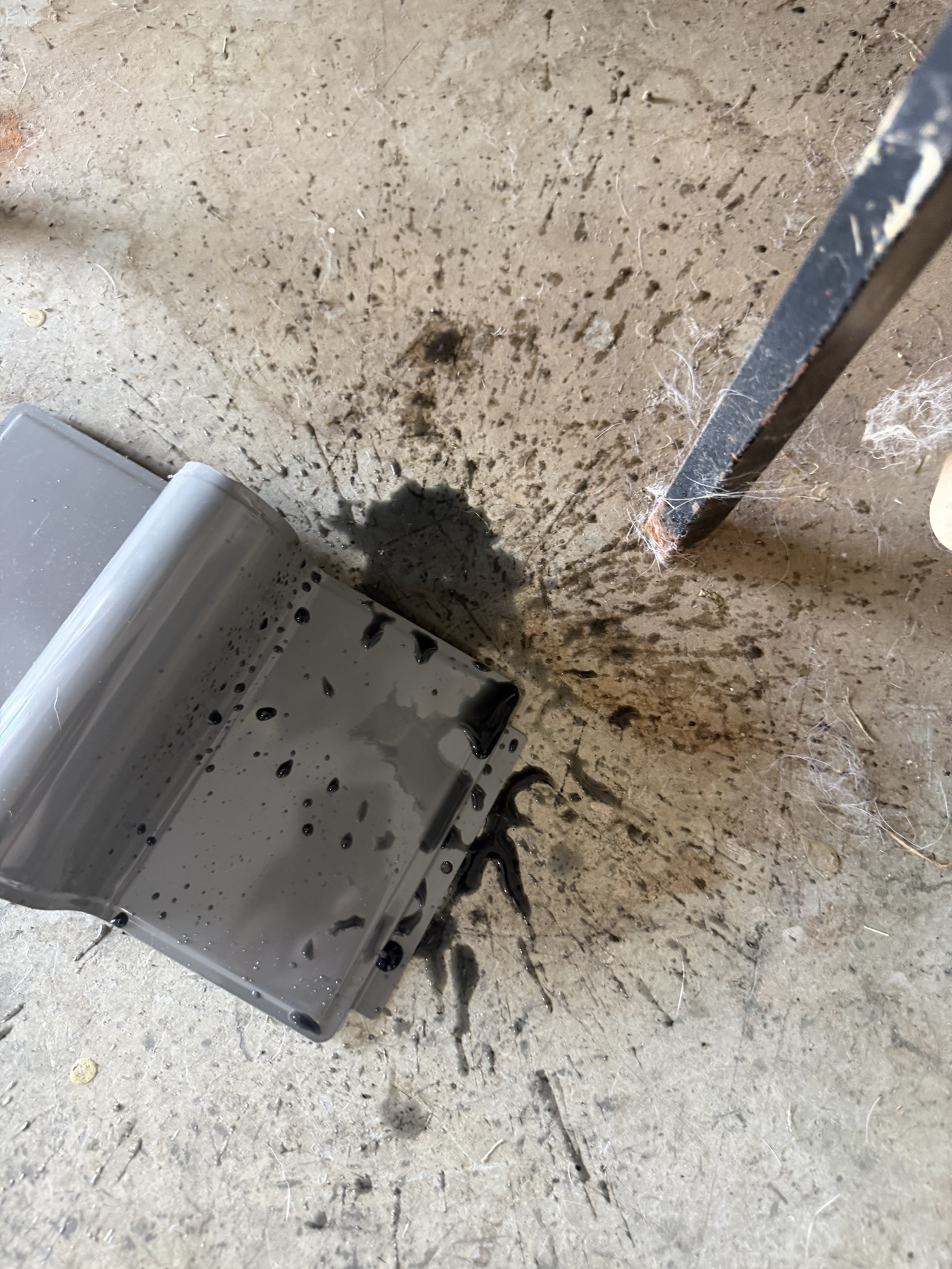
Check the water pressure before you blame the heater
This is the one people don't see coming. When I get a call about drips, I check the pressure. Drips in a shower, drips in a kitchen, and a leaky valve on a water heater can all trace back to water coming into the house too hard. The fix is a pressure reducing valve, or PRV. It's a valve on your main line that knocks the city pressure down to something your pipes and fixtures can live with. When one fails, everything downstream takes the beating, and the water heater is usually the first thing to show it.
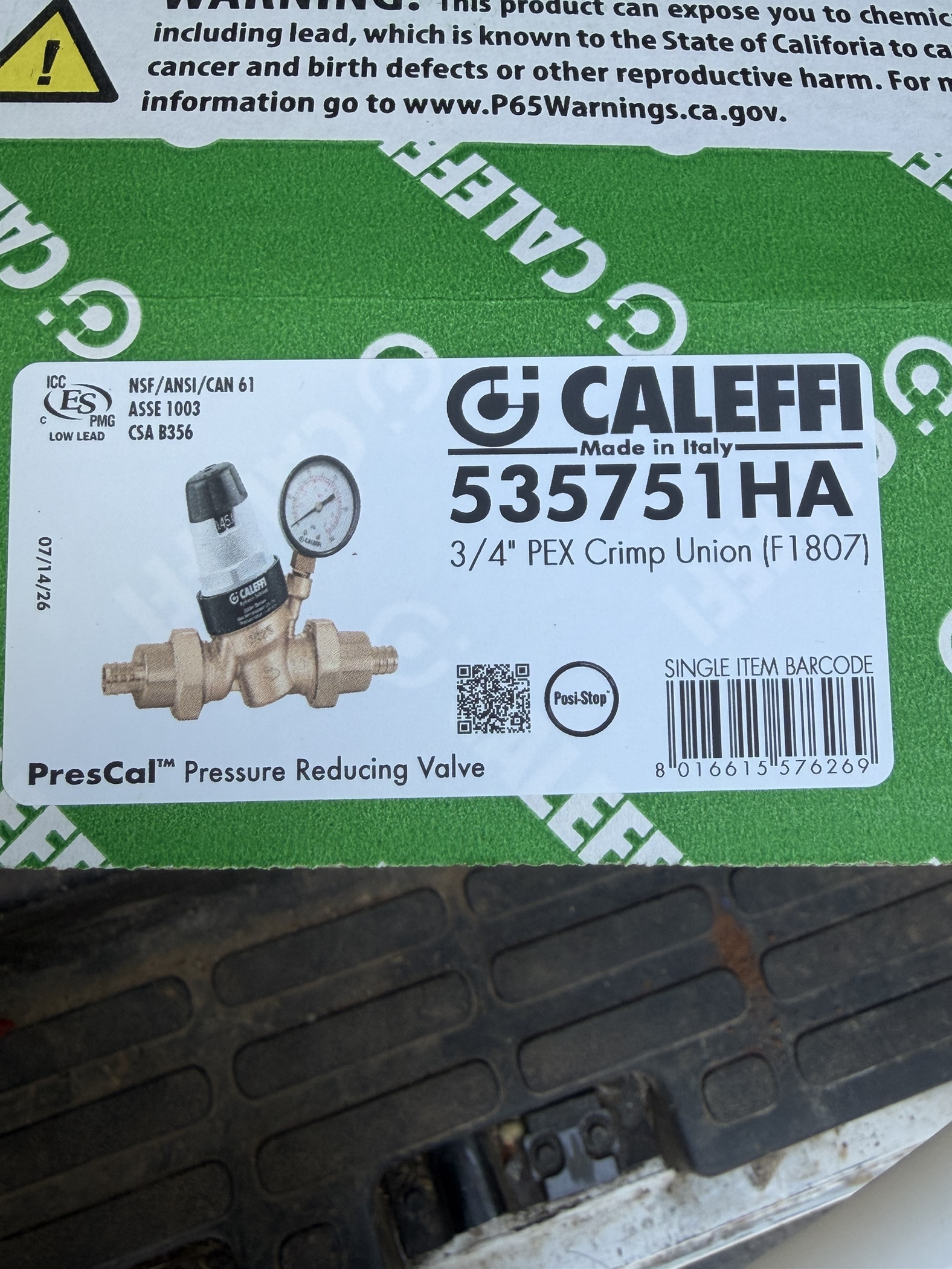
Low pressure is a problem too. Tom and his family had just moved into a house when they called us. Their PRV had failed and pressure coming into the house was barely 30 lbs. We fixed that and a leaking joint in the crawlspace, and they had us service their tankless water heater "so that we would have a baseline for future use." That's the right instinct in a new-to-you house. You can read more from folks like Tom on our customer reviews page.
When it's time to replace
Some heaters aren't worth another part. If the water is coming out of the tank body, there's nothing to fix, because a rusted-through tank can't be patched. Age matters too. The Department of Energy puts a standard tank at 10 to 15 years and a tankless unit at about 20. Rusty or discolored hot water can mean the tank is rusting inside, which Kentucky Living's water heater guide lists as a warning sign along with sediment or water at the bottom of the heater.
On a replacement job in Cleveland, the old electric unit had simply failed. We pulled it and set a new ProLine electric heater in the basement, then connected and tested everything before we left.
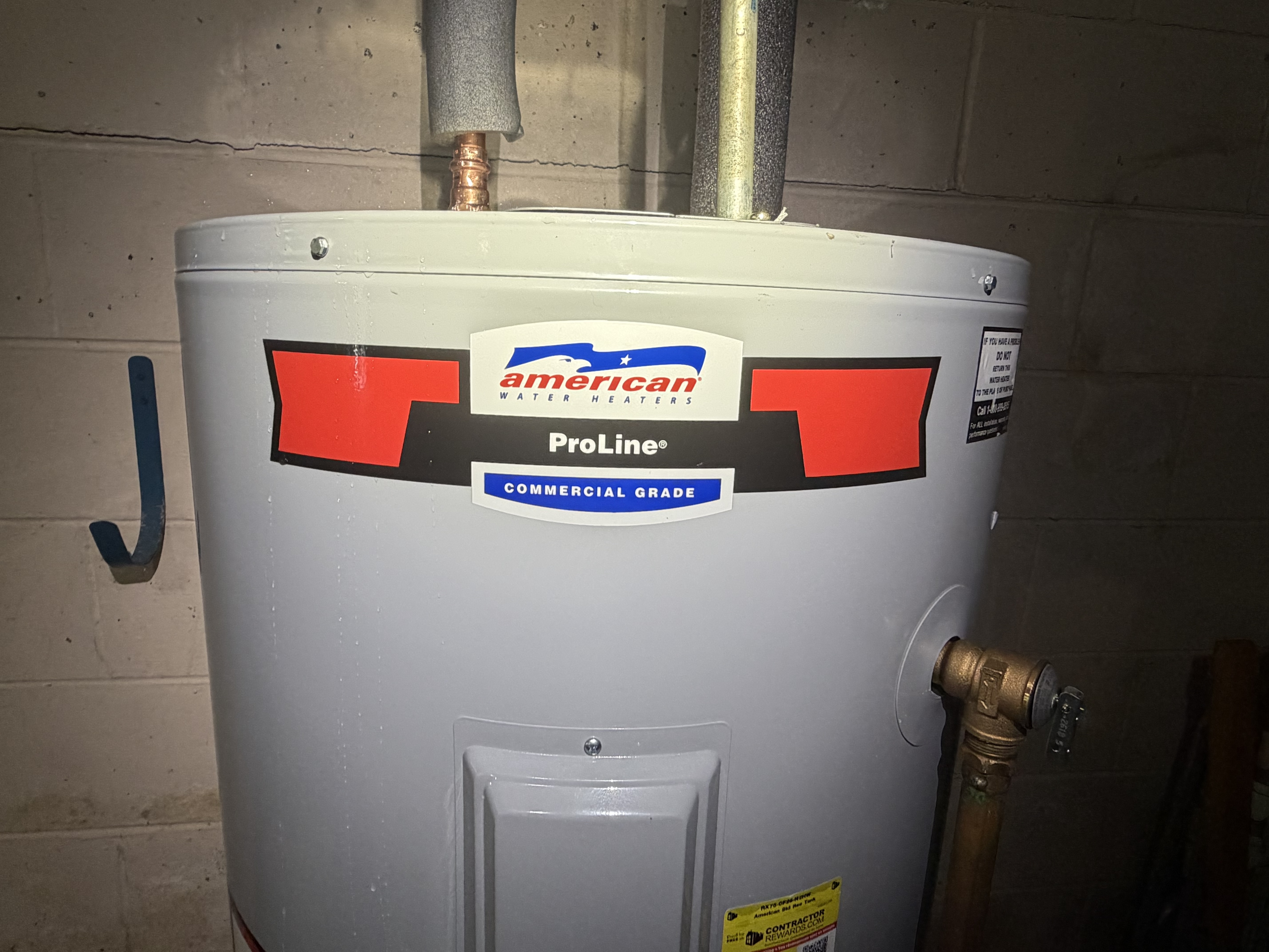
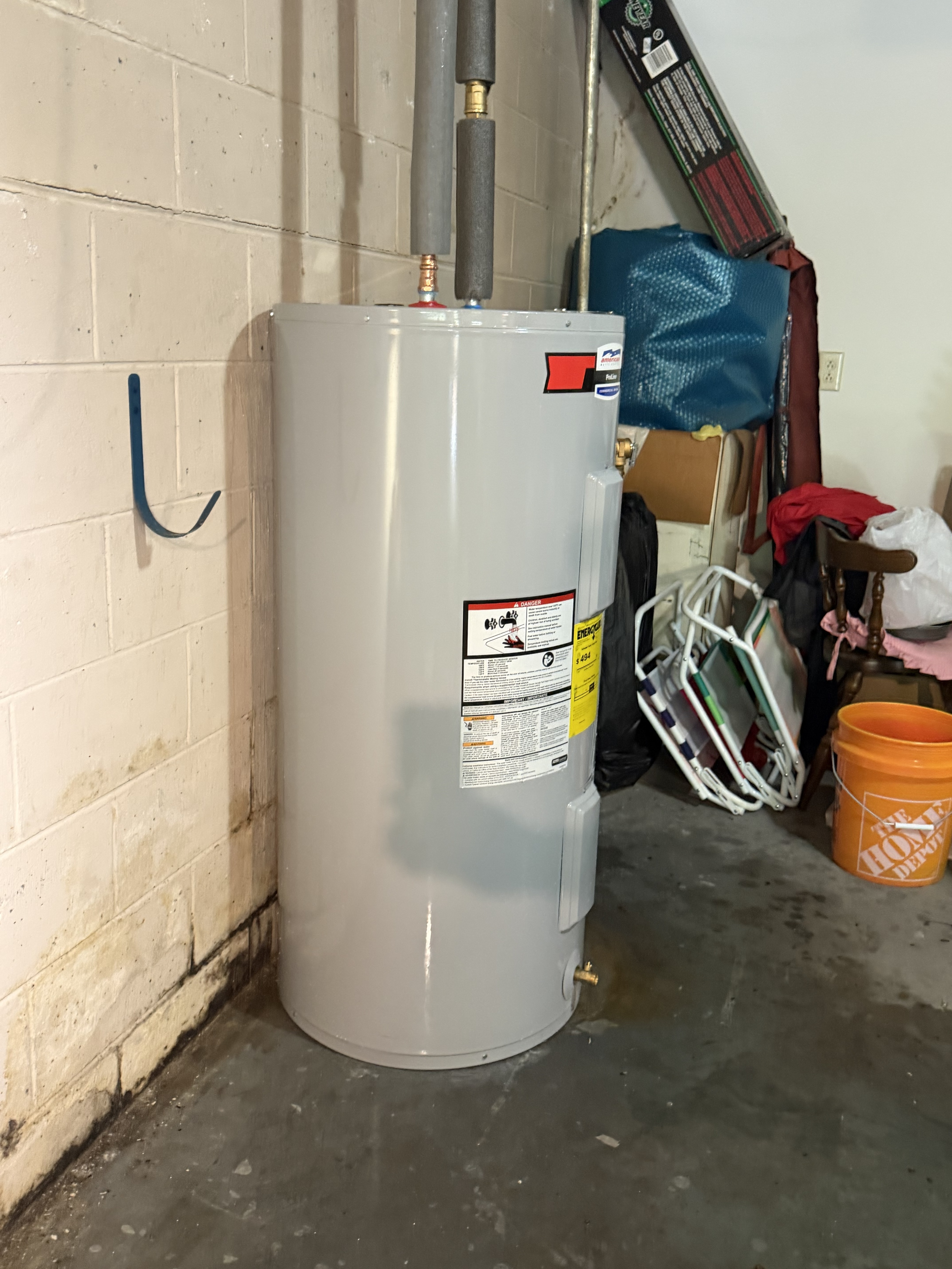
I don't get my water heaters from Home Depot. I get them from a plumbing supply house, which has totally different parts and a totally different warranty system. That matters when you're buying something you want to last another decade.
What decides repair or replace
- Where the water is coming from. A valve, a fitting, or a supply line is a repair. The tank itself means replacement.
- How old the unit is. Inside 10 to 15 years on a tank, a part is usually worth it. Past that, you're putting money into something near the end.
- What actually failed. A relief valve or shut-off valve is a small job. A tank that's rusting inside isn't.
- Your water pressure. If high pressure caused the leak, fixing the pressure is part of fixing the heater, or the new part will leak too.
- Tank or tankless. A tankless unit has a longer expected life, so a repair on one is more often worth doing.
What a water heater repair visit can cover
These are the repairs we've done on water heater calls around Cleveland and the rest of our service area. You can see the full list of what we do on our services page.
- Replacing a leaking shut-off valve on the water heater supply
- Replacing a faulty temperature and pressure relief valve
- Plumbing the relief valve's discharge line to drain away from the home
- Repairing leaking copper supply lines at the heater
- Installing a pressure regulator or pressure reducing valve on the main line
- Installing an expansion tank
- Testing the system after the work to make sure it's running right
Every one of those comes with our one-year workmanship warranty on the labor.
Frequently asked questions
How long does a water heater last?
The Department of Energy puts a standard tank water heater at 10 to 15 years and a tankless unit at about 20. Those are averages, so age alone doesn't make the call. If yours is inside that range and the problem is a valve or a fitting, it's usually worth fixing.
What is the most common problem with a hot water heater?
On our calls, a lot of it is the parts around the tank: a leaking shut-off valve, a bad temperature and pressure relief valve, a leaking copper supply line, or water coming into the house at too high a pressure. All of those can be fixed without replacing the heater.
What are the first signs of a water heater going bad?
Water pooling under the tank and rusty or discolored hot water are the two to take seriously, especially on a unit past the 10 to 15 year mark. Water at a valve or a pipe connection is usually a smaller problem. If you can't tell where it's coming from, call us and we'll show you.
Is it cheaper to repair a water heater or replace it?
A repair is the cheaper move when the problem is a part, like a valve, a supply line, or a pressure regulator. It stops making sense when the tank itself is leaking or the heater is at the end of its life, because you'd be putting new parts on a unit that's about to quit. We'll do the math together on both before we touch anything.
Is a Home Depot water heater the same as one from a plumber?
Not always. We buy our water heaters from a plumbing supply house, which carries different parts and a different warranty system than a big-box store. If the unit comes from Home Depot, you're working under Home Depot's warranty system.
Do you warranty water heater repairs?
Yes. Every repair and install gets our one-year workmanship warranty on the labor. The water heater itself is covered by the manufacturer's warranty.
Not sure if yours is worth fixing?
Give us a call at (423) 790-9800. I'll come look at it myself, show you what's actually wrong, and we'll do the math together on fixing it versus replacing it. Keep America Flowing.
Alex Sullivan, American Trail Plumbing